The Enduring Allure of Chicken Waldorf Salad: A Culinary Journey Through History and Flavor
Few dishes evoke a sense of timeless elegance and refreshing delight quite like the
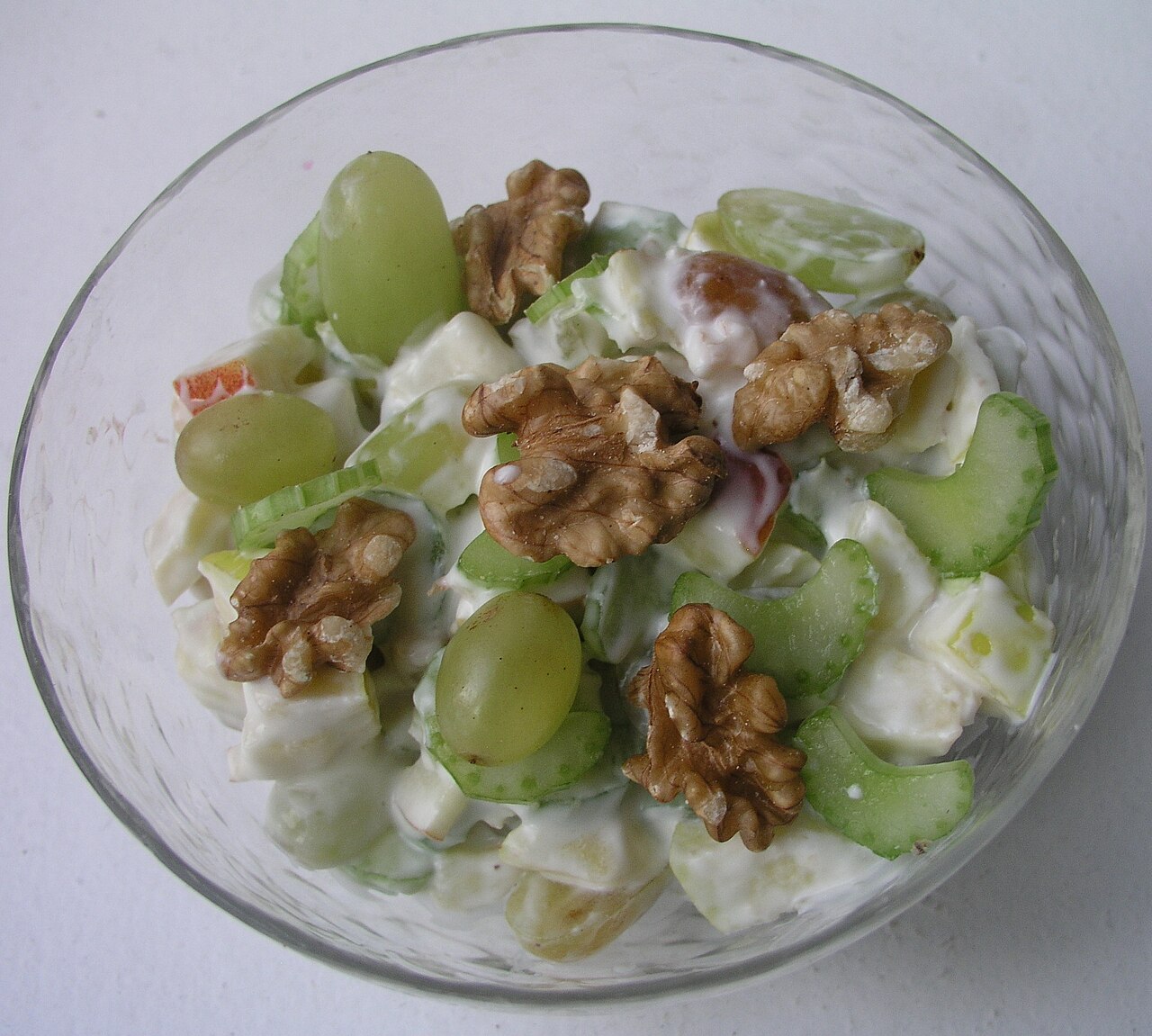
chicken waldorf salad. This iconic creation, celebrated for its perfect harmony of creamy, crunchy, sweet, and savory elements, has graced tables for over a century. Far from being a mere side dish, a well-crafted chicken waldorf salad stands as a complete, satisfying meal, equally at home at a casual lunch or a sophisticated dinner party. Its unique blend of succulent chicken, juicy fruits, crisp vegetables, and toasted nuts, all enrobed in a luscious dressing, offers an unforgettable taste experience that continues to captivate food lovers worldwide.
A Culinary Legacy: The Origins of the Waldorf Salad
To truly appreciate the chicken waldorf salad, we must first journey back to its origins in the opulent setting of late 19th-century New York City. The year was 1893, and the grand opening of the Waldorf Hotel (later to become the Waldorf-Astoria) was a landmark event. It was within the bustling kitchens and elegant dining rooms of this esteemed establishment that the original Waldorf Salad was conceived by Oscar Tschirky, the hotel's legendary maître d'hôtel.
Despite not being a trained chef, Tschirky's culinary influence was undeniable, and his name is forever etched in gastronomic history. The initial Waldorf Salad was remarkably simple, a testament to quality ingredients and balanced flavors, featuring just four core components: crisp apples, tender celery, delicate lettuce, and a creamy mayonnaise dressing. This humble beginning quickly catapulted the salad to immense popularity, solidifying its place as a classic. Tschirky’s innovative spirit and the salad’s instant success were so profound that, even today, his picture proudly adorns the walls of the iconic hotel. Over the decades, the recipe evolved, with the addition of walnuts becoming a standard enhancement and, eventually, the incorporation of chicken, transforming it into the robust and satisfying
chicken waldorf salad we cherish today. This evolution speaks volumes about its adaptability and enduring appeal.
Deconstructing the Classic Chicken Waldorf Salad: Flavors and Textures
The magic of chicken waldorf salad lies in its meticulous balance of distinct ingredients that come together to create a symphony of tastes and textures. Each component plays a vital role in its overall appeal, making it far more than the sum of its parts.
- The Star Protein: Chicken
At the heart of a good chicken waldorf salad is, naturally, the chicken. Diced or shredded cooked chicken breast provides a lean, protein-rich foundation, making the salad incredibly satisfying and a complete meal in itself. This is where versatility shines; it's an exceptional way to utilize leftover roasted or poached chicken. Many home cooks opt for the convenience of rotisserie chicken, which adds a wonderful depth of flavor, though it's wise to adjust salt in the dressing accordingly due to its inherent seasoning.
- Crisp & Sweet Fruits: Apples, Grapes, and Raisins
The fruit component introduces the signature sweetness and juicy crunch. Crisp apples, often unpeeled for added texture and nutrients, are a must. Varieties like Honeycrisp, Fuji, or Granny Smith offer a delightful sweet-tart balance. The inclusion of red seedless grapes, halved for easy eating, bursts with natural sweetness, complementing the apples beautifully. Golden raisins add a concentrated, chewy sweetness that rounds out the fruit medley, providing an unexpected textural pop.
- Crunch & Freshness: Celery & Optional Greens
Finely chopped celery is indispensable for providing that essential crisp texture and a subtle, refreshing peppery note that cuts through the richness of the dressing. While not always mixed directly into the salad, serving the chicken waldorf on a bed of delicate baby greens, such as butter lettuce, watercress, or mixed spring greens, adds another layer of freshness and visual appeal, mirroring the original Waldorf salad's inclusion of lettuce.
- Earthy Crunch: Walnuts
Toasted walnuts are a non-negotiable component. Their earthy, slightly bitter notes and satisfying crunch provide a crucial contrast to the creamy dressing and soft chicken. Toasting the walnuts before adding them is a simple yet impactful step that enhances their flavor profile significantly, bringing out their natural oils and nuttiness. Beyond their taste, walnuts also contribute heart-healthy fats, making the salad not just delicious but also a smart choice.
- The Luscious Embrace: The Dressing
The dressing is the binding agent and the unifying flavor profile of the chicken waldorf salad. Traditionally, it's a creamy blend of mayonnaise, offering richness and a velvety texture. Modern adaptations frequently lighten this by incorporating Greek yogurt. This "magical" combination of yogurt and mayonnaise strikes a perfect balance: the yogurt lends a delightful tang and probiotics, while the mayo maintains the luxurious creaminess. A splash of lemon juice prevents the apples from browning and adds a bright, acidic counterpoint, while a hint of orange juice can introduce a subtle, aromatic sweetness. A touch of kosher salt perfectly seasons the ensemble, enhancing all the individual flavors.
Why it's More Than Just a Salad: Nutritional Benefits
Beyond its irresistible taste, the chicken waldorf salad is a powerhouse of nutrition. It’s rich in lean protein from the chicken, essential for muscle repair and satiety. The fruits contribute an array of vitamins, minerals, and antioxidants, while celery adds dietary fiber. The walnuts are a fantastic source of omega-3 fatty acids, beneficial for heart and brain health. When prepared with Greek yogurt, it also offers probiotics, supporting gut health. This makes it an ideal choice for a satisfying and wholesome meal that keeps you energized.
Crafting Your Own Chicken Waldorf Masterpiece: Customization Tips
While the classic chicken waldorf salad is undeniably perfect, its inherent versatility allows for endless customization. This adaptability is part of its enduring charm, enabling you to tailor it to personal preferences, dietary needs, or seasonal ingredients.
Unleash Your Creativity: Ingredient Swaps and Additions
- Fruit Variations: Experiment with different fruits to alter the flavor profile. Pears can offer a softer sweetness, dried cranberries or cherries introduce a tart chewiness, and mandarin orange segments add a burst of citrusy freshness.
- Nut Alternatives: While walnuts are traditional, feel free to substitute or combine them with other nuts like pecans, almonds (sliced or slivered), or even pistachios for a slightly different texture and flavor. Always consider toasting them for maximum impact.
- Adding Vegetables & Herbs: Introduce finely diced red onion for a sharper bite, or add fresh herbs like dill, parsley, or chives for an aromatic lift. Watercress can be mixed in for a peppery zest.
- Dressing Adjustments:
- Lighter Touch: Increase the proportion of Greek yogurt to mayonnaise for a tangier, lighter dressing.
- Flavor Boosters: A teaspoon of Dijon mustard can add a subtle piquancy. For a touch more sweetness, a drizzle of honey or maple syrup can be incorporated. A pinch of curry powder can transform the dressing with warm, aromatic notes, creating a "curried chicken waldorf" twist.
- Dietary Needs: For those avoiding dairy, a plant-based yogurt can replace Greek yogurt. Vegan mayonnaise is also an excellent substitute.
Expert Tips for Success:
- Prevent Browning: Always toss chopped apples with lemon juice immediately to prevent oxidation and keep them looking fresh.
- Chill for Flavor: While delicious immediately, allowing the chicken waldorf salad to chill for at least 30 minutes (or even a few hours) in the refrigerator allows the flavors to meld and deepen, resulting in a more harmonious dish.
- Quality Ingredients: The simplicity of the salad means that the quality of your ingredients truly shines. Opt for fresh, crisp produce and good quality chicken.
- Optimal Leftover Usage: This salad is famously forgiving and fantastic for using up leftover cooked chicken, making assembly a snap. If using a pre-seasoned rotisserie chicken, remember to adjust or even omit the salt in your dressing.
A Step-by-Step Guide to the Classic (Simplified Recipe Outline)
- Prepare Ingredients: In a large bowl, coat your chopped, unpeeled apple with lemon juice. Add your diced cooked chicken, halved red seedless grapes, finely chopped celery, golden raisins, and coarsely chopped toasted walnuts. Gently combine.
- Craft the Dressing: In a separate, small bowl, whisk together the Greek yogurt, mayonnaise, orange juice, and kosher salt until smooth and well-combined.
- Combine & Fold: Pour the prepared dressing over the salad ingredients. Gently fold everything together until all components are evenly coated.
- Chill & Serve: Cover the bowl and refrigerate for at least 30 minutes to allow the flavors to meld. Serve the chicken waldorf salad on a bed of fresh baby greens, garnished with extra grapes, raisins, and walnuts if desired.
Serving Suggestions and Pairings
The versatility of chicken waldorf salad extends to how it can be served. Traditionally, it's presented elegantly on a bed of crisp lettuce leaves or peppery watercress. However, its robust nature makes it an excellent candidate for various presentations:
- Sandwich or Wrap Filling: Spoon it into a whole-grain baguette, croissant, or wrap for a hearty and satisfying lunch.
- Lettuce Cups: For a lighter, low-carb option, serve scoops of the salad in large lettuce leaves.
- Avocado Halves: A sophisticated presentation involves scooping the salad into ripe avocado halves.
- As a Side: It pairs beautifully with a light soup, a crusty piece of whole-grain bread, or as part of a brunch spread.
For beverages, a crisp white wine like a Sauvignon Blanc, a chilled iced tea, or even sparkling water with a lemon twist would complement its refreshing qualities perfectly.
Conclusion
From its humble beginnings in a luxurious New York hotel to its status as a beloved culinary classic, the
chicken waldorf salad has proven its enduring appeal. It's more than just a recipe; it's a testament to how simple, quality ingredients, when thoughtfully combined, can create something truly extraordinary. Whether you adhere strictly to the classic formula or embark on a creative journey of customization, this creamy, crunchy, and utterly refreshing salad promises a delightful experience every time. So, gather your ingredients, embrace the legacy, and prepare to savor a dish that truly stands the test of time.